
What Is Geogrid?
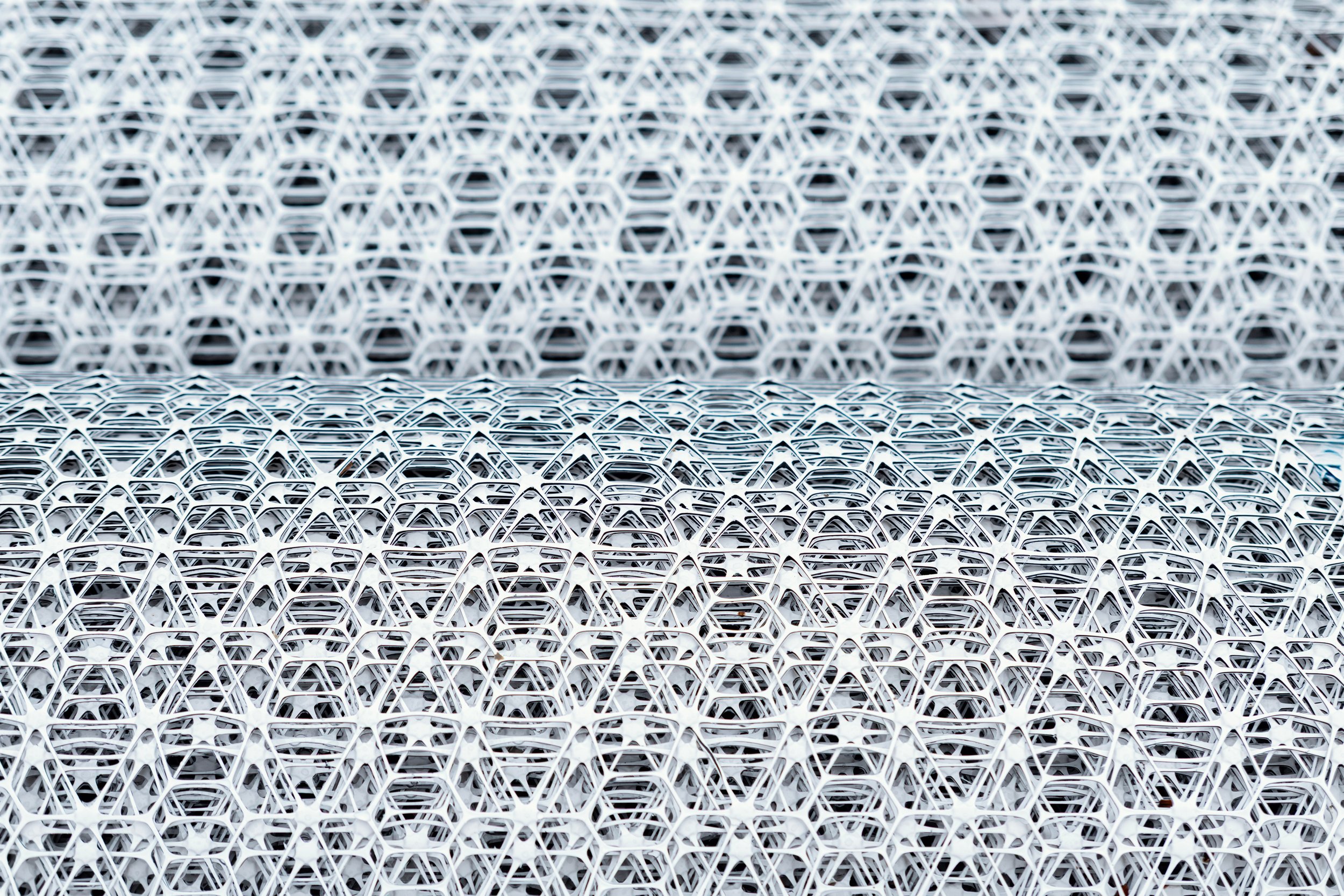
Geogrid consists of polymer materials manufactured in a grid pattern with open apertures. These materials allow soil, aggregate, or base materials to interlock through the grid. Unlike standard geotextiles, Geogrid specifically reinforces materials and distributes loads effectively while reducing rutting and settlement. Originally developed by Tensar in 1978, Geogrid technology has evolved significantly over the decades. Today's products feature advanced aperture geometries and polymer compositions engineered for specific applications and soil conditions.
How It Works
The reinforcement mechanism relies on mechanical interlock—when materials are compacted into the grid structure, they lock together to improve shear strength and prevent shifting. Installation typically involves layering the grid with aggregate and sometimes pairing it with geotextile fabric. When a load is applied to the surface, the Geogrid distributes that force laterally across a wider area, reducing the stress on any single point. This lateral confinement also prevents aggregate from spreading outward under load, which is what causes rutting and surface deformation in unstabilized bases.
Types Available
- Biaxial: Two-directional strength for driveways
- Triaxial: Multi-directional with triangular apertures for advanced applications
- Uniaxial: Single-direction strength for walls and slopes
Key Applications
Geogrid is used in five primary applications:
- Gravel driveways on problematic soil
- Retaining walls exceeding 3 feet
- Parking areas
- Paver installations
- Construction platforms
Each application benefits from improved load capacity and reduced maintenance needs.
Benefits
- Improved bearing capacity
- Reduced material requirements
- Minimized repairs
- Erosion prevention
- Extended pavement lifespan
When Do You Need Geogrid?
Geogrid is particularly valuable when dealing with weak or unstable subgrade soils. If your site has clay, organic material, or high water tables, Geogrid can help create a stable base without extensive excavation and soil replacement. It's also useful when you want to reduce aggregate thickness while maintaining structural performance—potentially saving significant material and hauling costs on larger projects. In Northern Ohio, where soil conditions vary widely and freeze-thaw cycles stress pavement structures, Geogrid provides an extra layer of protection against premature failure.
Free DCP Testing
Not sure if your site needs Geogrid? We offer free Dynamic Cone Penetrometer (DCP) testing throughout Northern Ohio. This simple field test measures your soil's bearing capacity and helps determine whether Geogrid reinforcement would benefit your project. Based on the results, we can recommend the right product and installation approach for your specific conditions.
Ready to Get Started?
Contact us for expert consultation and competitive pricing on Tensar Geogrids for your project.