
Can I Fix Soft Ground Without Excavating? Yes.
The traditional answer to soft subgrade was dig it out and replace it with structural fill. That's expensive, slow, and creates a truckload of spoil. There's a better way — and it's been engineer-approved for 30+ years.
Why We Used to Excavate Everything
Before geosynthetics existed, the only way to build a pavement over soft ground was to remove the soft ground. Excavate 24–36 inches of unusable soil, haul it off, import compactable structural fill, place it in lifts, compact each lift, and only then build your pavement section.
This works. It also costs a fortune on any job bigger than a driveway — hauling fees, spoil disposal, imported material cost, extra days on the schedule, and heavy equipment demand. On big commercial and DOT projects, subgrade replacement can be the single largest line item.
The Mechanical Stabilization Alternative
What if you didn't remove the soft soil at all — instead, you built a stiff platform above it that spread wheel loads over a much wider area?
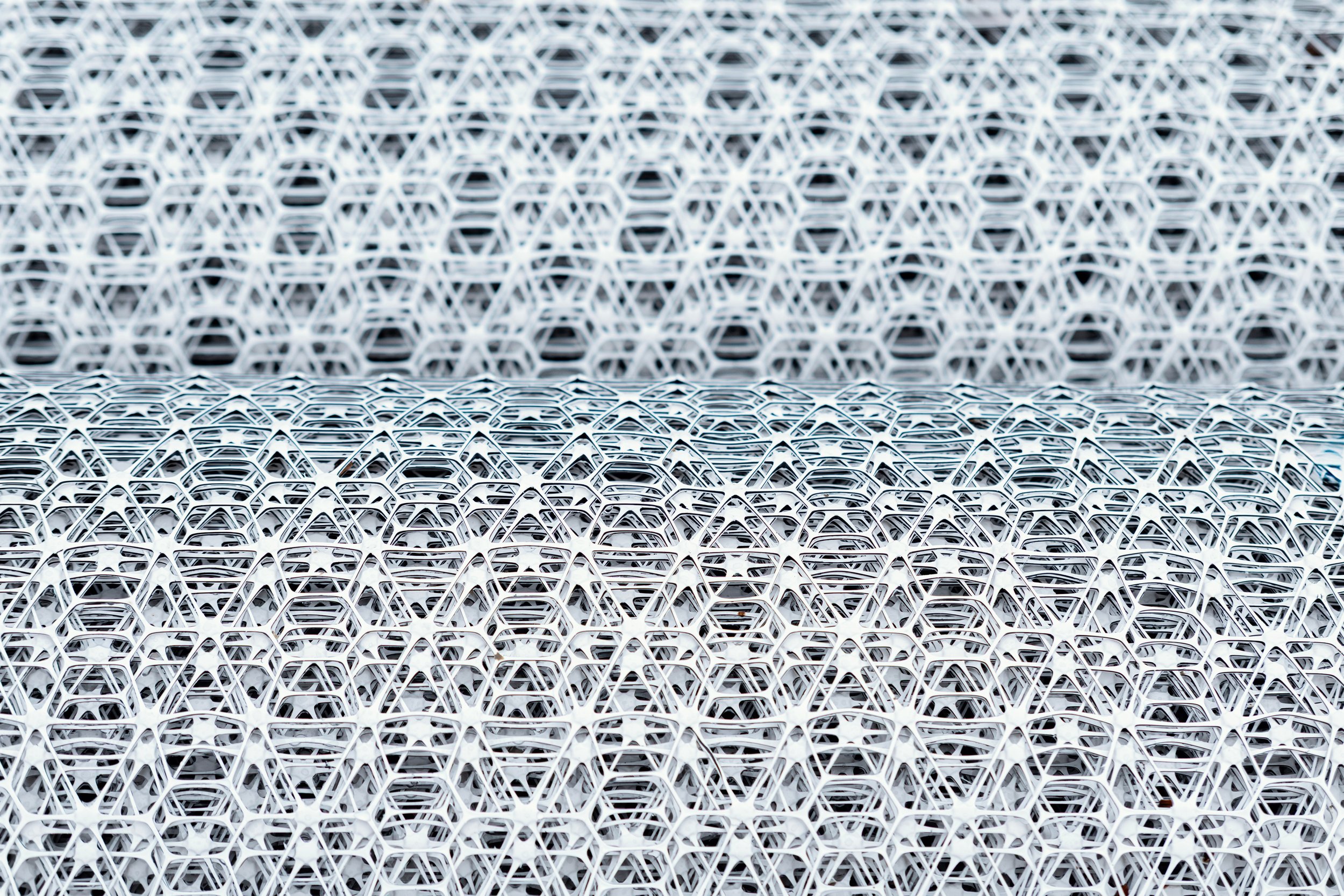
That's what geogrid does. A Tensar InterAx or TriAx laid on the prepared subgrade, aggregate placed on top, and the interlock between stone and geogrid apertures produces a mechanically stabilized layer that behaves stiffer than the sum of its parts. The wheel loads on that stiffened aggregate transmit through a much larger footprint of underlying soft soil — so the stress at any single point on the subgrade is far lower.
Same soft ground. Same pavement. But now the soft ground never sees a stress high enough to fail.
When It Works and When You Still Excavate
Geogrid stabilization is not universal. There are cases where dig-and-replace is still the right answer:
- • Very deep organic soils (peat, muck) with no realistic bottom in reach
- • Contaminated soil that requires removal for regulatory reasons
- • Buried debris or fill that needs to come out for structural reasons
- • Subsidence-prone areas like collapsed mines or karst
For the vast majority of soft-ground problems — soft clay, marginal fill, wet subgrade, seasonally saturated soils — mechanical stabilization is the faster, cheaper, engineer-approved solution.
The Two-Layer Version for Very Soft Ground
When the subgrade is truly weak (CBR under 3) — soft, wet, clay-heavy — geogrid alone isn't enough. The soft soil will squeeze up between the aggregate stones and contaminate the base over time.
The fix is a two-layer system: a woven geotextile (Mirafi 500X or 600X) directly on the subgrade to prevent soil pumping, then the geogrid on top of the fabric, then aggregate. Now you've solved both problems at once — the fabric stops migration, the geogrid stabilizes the aggregate mechanically.
This is the approach that turns essentially unusable ground into a stable, load-carrying platform — without touching a single scoop of the soft soil.
The Design Isn't a Guess
Modern geogrid stabilization is fully engineered. Tensar's design software (Tensar Plus) takes your subgrade CBR, design traffic loads, and target aggregate section, and produces a design with a specific geogrid, specific fabric where needed, and specific aggregate thickness — with a stamped engineering document your engineer of record can review.
This isn't rolling out fabric and hoping. It's a well-established, DOT-and-commercial-approved engineering approach that's been in use for over 30 years.
Free DCP + Free Design Support
We come out, take DCP readings, and Tensar's engineers spec the design. No cost. Northern Ohio.